

What We Know About the PixelTag So Far
For years, Android users have watched enviously as Apple’s AirTag and Samsung’s Galaxy SmartTag dominated the item-tracking space. At the same time, Google sat on the sidelines with nothing but its Find My Device network and no hardware of its own to plug into it.
That’s about to change. Leaked images, model numbers, and European retail listings have all but confirmed that Google is preparing to launch its first-ever smart tracker, reportedly named the Pixel Tag, and the timing couldn’t be more telling — it’s expected to debut at the same event as the Pixel 11 series and the Pixel Watch 5.
A Design That Breaks From the Pack
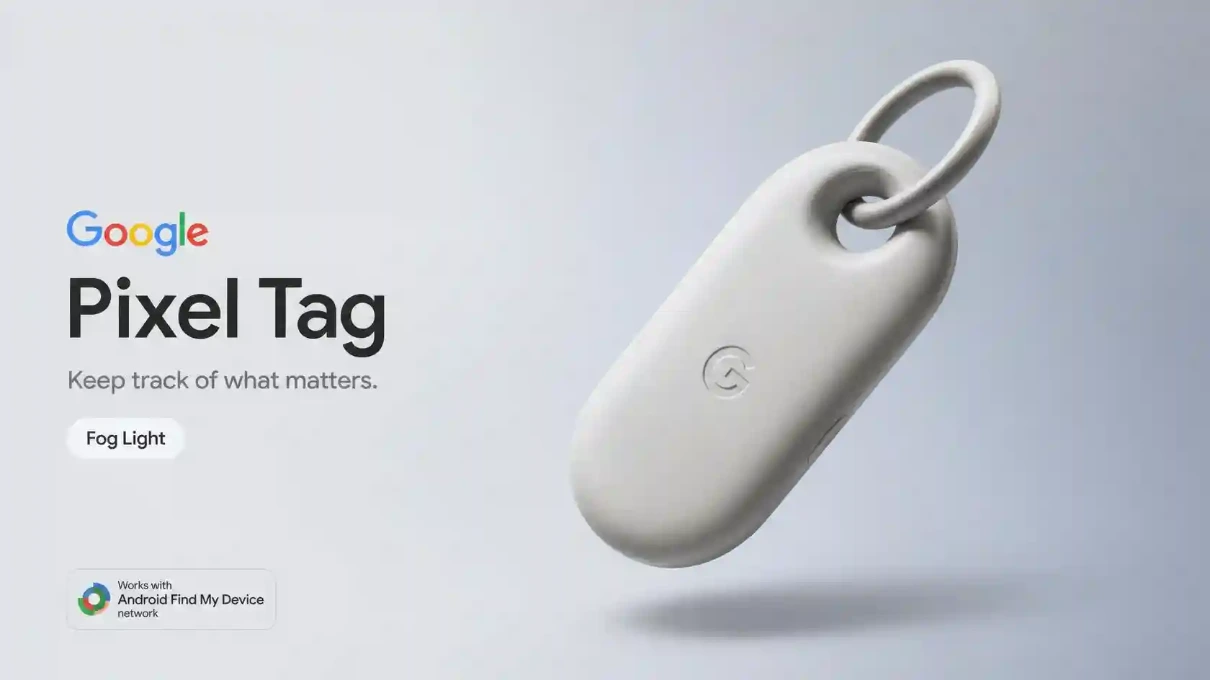
Unlike the perfectly circular AirTag or Samsung’s squircle-shaped SmartTag, leaked renders show the Pixel Tag with an oblong, pill-shaped body carrying subtle Google branding on the front.
Interestingly, early images don’t show an obvious built-in loop or hole for attaching it to keys or bags, suggesting Google may lean on separate cases and keyring accessories rather than a one-piece design.
Model Number and Color Confirmed
Retail databases have surfaced the model number GA12506, along with a launch color called “Fog Light.” These details, spotted first by 9to5Google, are considered strong confirmation that the device is real and close to release, rather than just an early-stage concept.
“A confirmed model number and retail color listing typically signal a product is weeks, not months, away from launch.”
Price Point Around $34
European retail listings peg the Pixel Tag at roughly €30, which converts to approximately $34 in the US — putting it right in line with the Apple AirTag 2 (~$29) and Samsung’s Galaxy SmartTag lineup (~$30).
“A near-identical price to its two biggest rivals suggests Google wants to compete on ecosystem value, not undercut on cost.”
The Big Unanswered Question — Does It Have UWB?
The single most important spec still unconfirmed is whether the Pixel Tag supports Ultra-Wideband (UWB) for precision finding.
UWB is what lets AirTag and select Galaxy SmartTag models point you directly to a lost item with an on-screen arrow, rather than just showing a rough Bluetooth signal radius. Without it, the Pixel Tag would functionally lag behind its main rivals in the “final ten feet” of searching.
Why This Matters for the Android Ecosystem
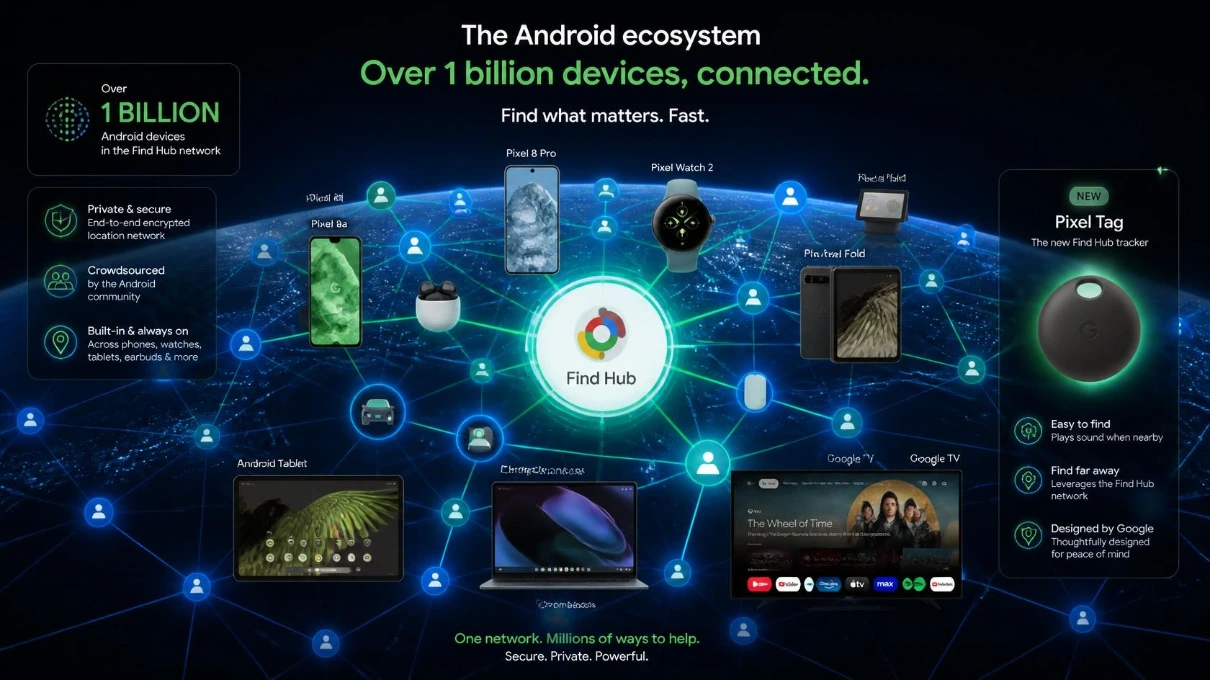
Google’s Find Hub network (formerly Find My Device) already spans more than a billion Android devices running Android 9 and above, all acting as anonymous relays that help locate lost items and phones.
Until now, that massive network had no first-party hardware of its own — third-party trackers from brands like Chipolo were the only way to plug into it. A Google-branded tracker completes the ecosystem loop Google has been building around Pixel phones, the Pixel Watch, and Gemini-powered software.
Expected Launch Details
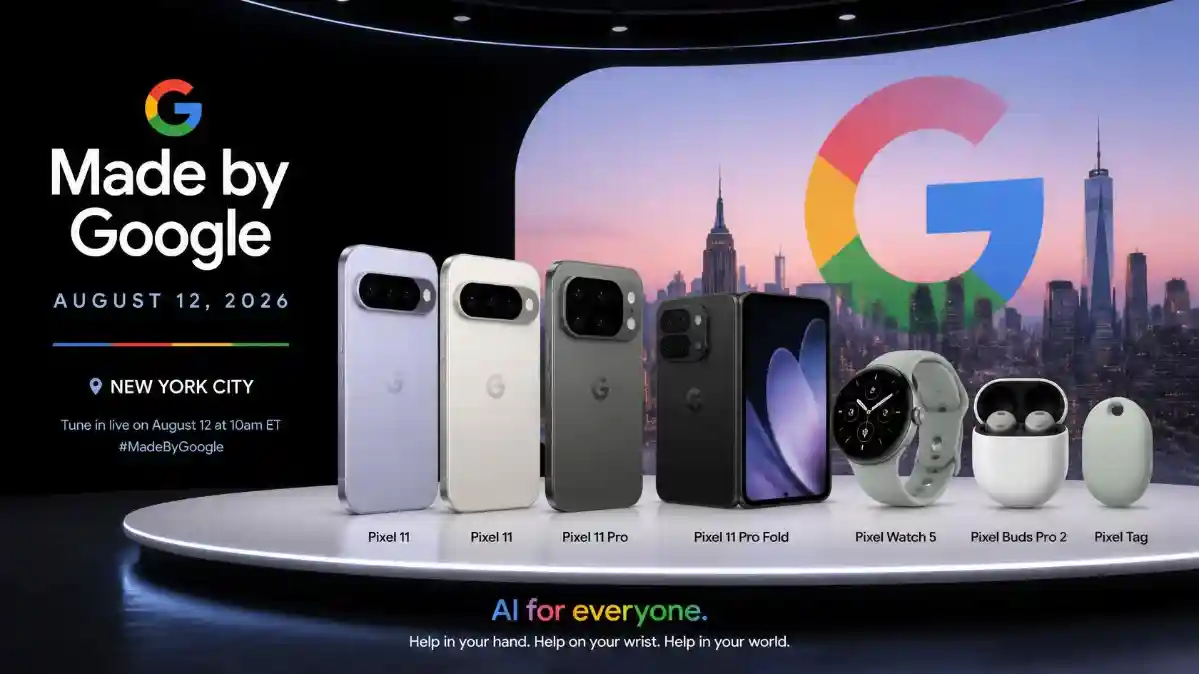
- Event: Made by Google, August 12, 2026
- Location: New York City
- Expected lineup: Pixel 11, Pixel 11 Pro, Pixel 11 Pro XL, Pixel 11 Pro Fold, Pixel Watch 5, new Pixel Buds Pro 2 colorways, and the Pixel Tag
Google has not officially confirmed the Pixel Tag, so all of the above is based on leaks, retail listings, and reporting from outlets like 9to5Google — treat it as highly likely, not guaranteed.
Read Also-Google Pixel 10 review: should you buy it in India?
Quick Analysis
The Pixel Tag leak fits neatly into Google’s broader 2026 strategy: tying every corner of the Pixel lineup — phones, watch, earbuds, and now trackers — into one interconnected, Gemini-powered ecosystem. The pricing signals Google isn’t trying to win on cost; it’s trying to win on being the “default” tracker for the 1 billion+ Android devices already contributing to Find Hub.
The real make-or-break factor will be UWB support. If it’s missing, tech reviewers and buyers will likely see the Pixel Tag as a “good enough” first attempt rather than a genuine AirTag killer. If it’s included, Google instantly becomes a serious third player in a category it’s ignored for years — right as Samsung also prepares its next-gen SmartTag 3.
How Is the Pixel Tag Beneficial?
Q: What problem does the Pixel Tag actually solve? A: It gives Pixel and Android users a first-party way to track everyday items — keys, bags, wallets, luggage — using Google’s own Find Hub network, instead of relying on third-party trackers.
Q: How is this different from using a third-party tracker like Chipolo? A: A first-party tracker is likely to get deeper software integration with Pixel phones and the Pixel Watch, tighter security updates, and better long-term support directly from Google.
Q: Is it safe from being used for stalking? A: Google and Apple jointly rolled out an industry-wide unwanted-tracker detection standard in 2024 that works across both Android and iOS. Whether the Pixel Tag adds extra safeguards on top of that standard hasn’t been confirmed yet.
Q: Will it work with non-Pixel Android phones? A: Find Hub already supports the broader Android ecosystem, so the Pixel Tag is expected to work across compatible Android devices, not just Pixel hardware — though full details await the official announcement.
Q: Should I wait for the Pixel Tag instead of buying an AirTag or SmartTag now? A: If you’re an Android user without an urgent need, waiting until August 12 makes sense — you’ll get pricing, UWB confirmation, and full specs before deciding. iPhone users won’t be able to use it, since Find Hub is Android-exclusive.
Q: When exactly will it be available to buy? A: Not confirmed. It’s expected to be unveiled at the August 12 Made by Google event. Still, Google hasn’t confirmed whether it launches immediately or ships later, similar to how some past Pixel accessories rolled out after their announcement.