



From iPhone 17 to AirPods Pro 3: Apple’s Plan to Dominate the Hardware Market
Apple Inc. is set to take the stage for its biggest event of the year. This isn’t just another product launch; it’s a strategic move in a high-stakes chess game against tech giants like Samsung, Google, Huawei, and Xiaomi. While Apple has lagged in the generative artificial intelligence race—its new iOS 26 lacks major AI features—it’s doubling down on what it does best: hardware innovation.
For the first time in half a decade, Apple is rolling out significant design changes for the iPhone, signaling a new era for its most important product.
This fall blitz of new devices—including next-gen iPhones, Apple Watches, and more—is Apple’s bold bet on keeping its massive product ecosystem intact and its customers loyal in a rapidly changing industry.
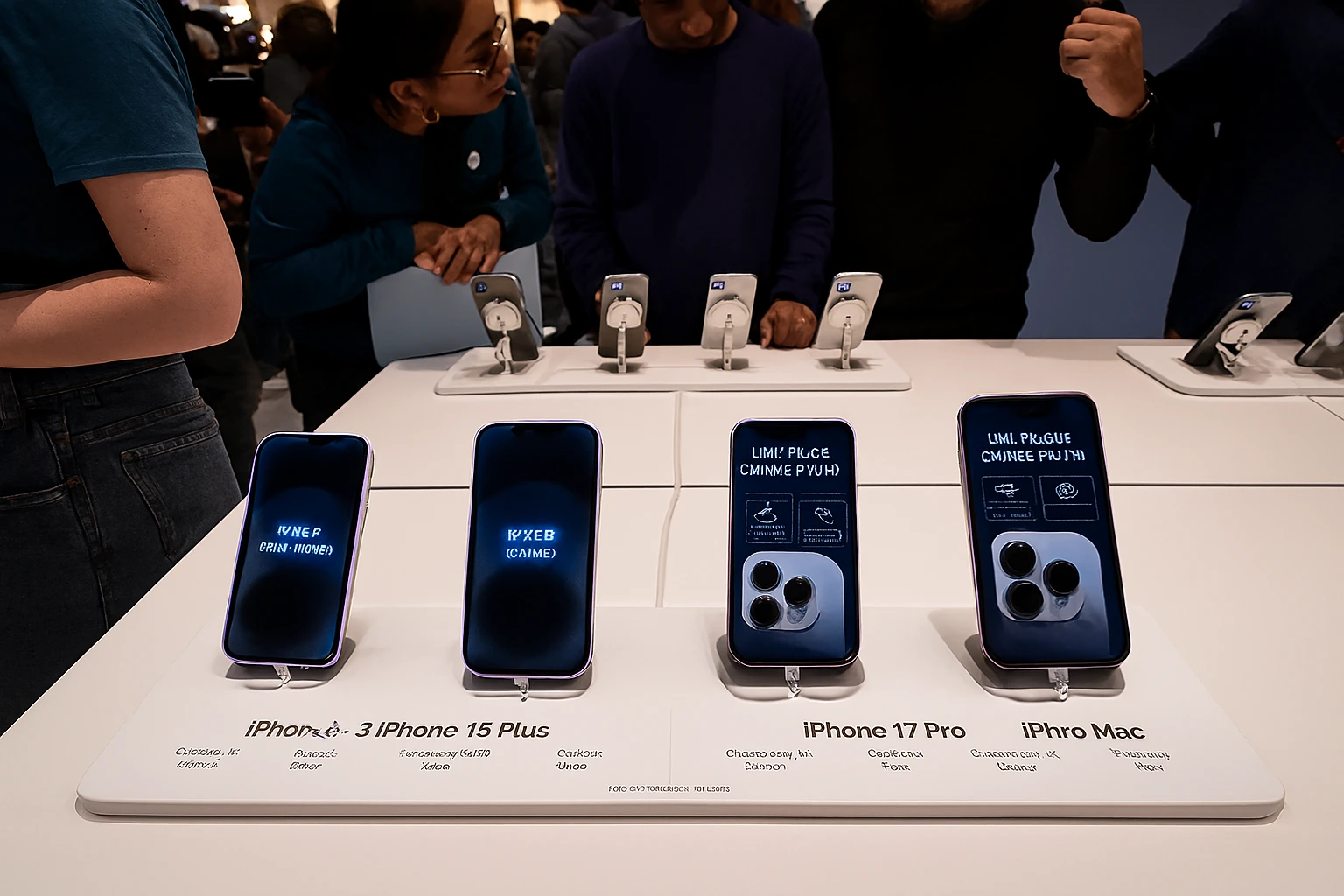
iPhone 17: A Major Design Overhaul
Ecosystem Enhancements: Watches, Audio, and More
|
The iPhone 17 Lineup: A Radical Shift
Apple is introducing a new, thinner model called the iPhone 17 Air, which will debut alongside the standard iPhone 17 and the redesigned iPhone 17 Pro and Pro Max. The iPhone is Apple’s biggest moneymaker, accounting for roughly half of its sales, and these new devices are designed to keep it at the heart of the company’s universe.
The iPhone 17 Air: A Daring Design Choice
The most striking new addition is the iPhone 17 Air. Continuing the branding convention used for MacBooks and iPads, this new device is a radical departure.
At just 5.5 millimeters thick, it’s about a third thinner than the iPhone 16 Pro, a dramatic reduction that comes with some notable compromises.
To achieve its ultrathin body, the Air sacrifices battery life and includes only a single rear camera. It will also be an eSIM-only device, as its slim frame can’t accommodate a physical SIM card.
The iPhone 17 Air will feature the same A19 processor as the standard iPhone 17, along with ProMotion support and a 6.6-inch screen.
However, its precarious position in the product lineup puts it in a difficult spot. Priced between the base model and the Pro models, it’s a risky bet. For a couple hundred dollars more, users can get a vastly superior phone with a better camera, longer battery life, and more powerful performance.
Apple is banking on the idea that consumers will pay a premium for form factor alone, a gamble that could make the Air line a niche product.
Read Also – iPhone 17 vs. iPhone 16: The Ultimate Upgrade Guide
iPhone 17 Pro and Pro Max: The Powerhouses Return
While the iPhone 17 Air might grab the headlines, the iPhone 17 Pro and Pro Max will likely be the most popular and practical choices.
These high-end models are receiving their first major redesign since the iPhone 12 Pro in 2020. The most noticeable change is a new camera area that spans the entire top third of the device’s back. A new cutout on the bottom two-thirds also serves as the wireless charging area, giving the phones a fresh, distinct look.
Beyond the design, the Pro models will get a significant performance boost with the new A19 Pro processor, along with enhanced video recording and a major upgrade to the telephoto lens, moving from a 12-megapixel sensor to a 48-megapixel component. Other camera upgrades include a new variable aperture system and the biggest-ever upgrade to the selfie camera.
In a surprising twist, Apple is moving back to an aluminum frame after switching to titanium with the iPhone 15 Pro.
This change will make the phones lighter and improve heat dissipation, a welcome change for many users. The standard iPhone 17 will also see upgrades, including a slightly larger 6.3-inch screen and a ProMotion display—a first for a non-Pro iPhone.
New Watches, AirPods, and a Glimpse into the Future
The iPhone isn’t the only star of the show. Apple is preparing a series of product updates and new accessories designed to expand and strengthen its ecosystem.
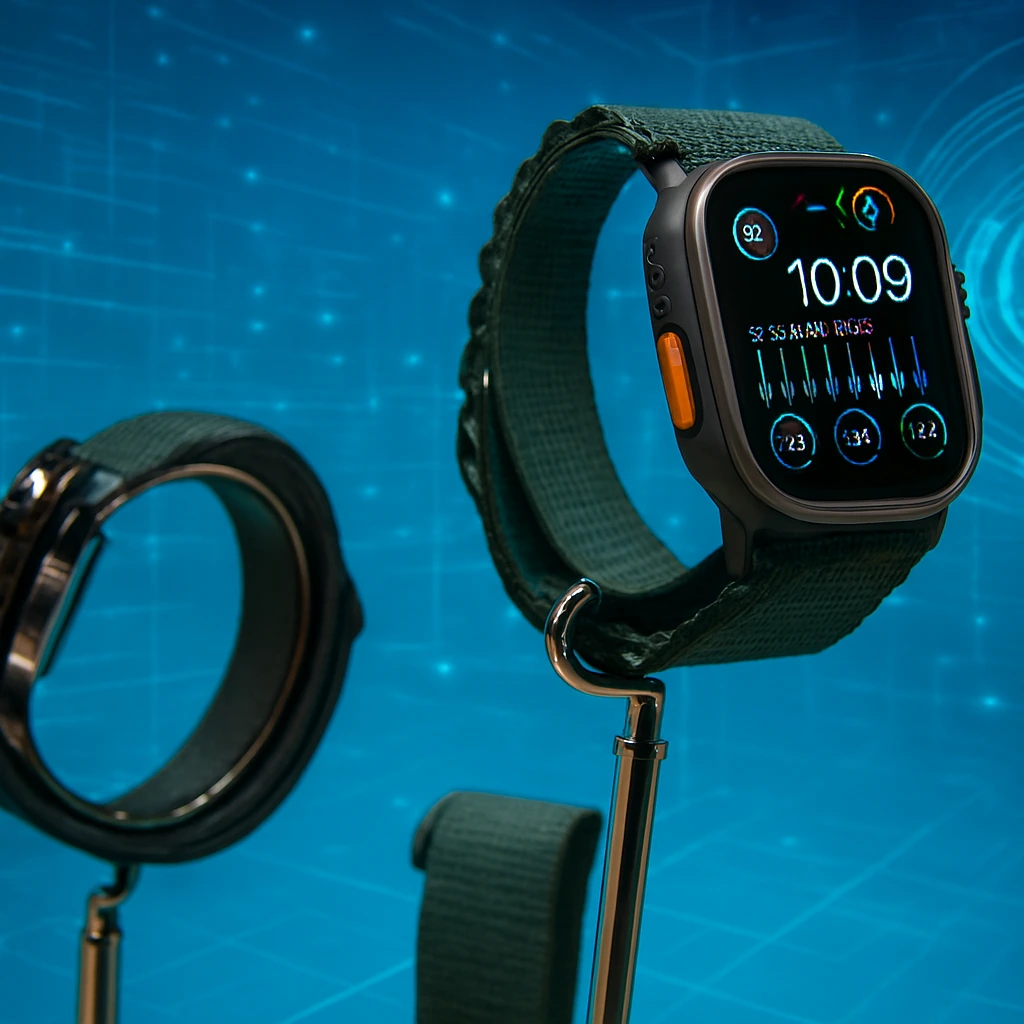
The Next Generation of Apple Watch
- Apple Watch Ultra 3: After a brief hiatus, the Ultra is back with a major update. It will feature a slightly larger screen, a new S11 chip, 5G Redcap connectivity, and the ability to use Apple’s satellite feature for emergency communications. This update is a direct challenge to competitors like Garmin, as Apple seeks to capture a larger share of the high-end wearables market.
- Apple Watch Series 11: Following the wholesale redesign of the Series 10, this year’s model will be a more subtle update. It will retain the same look but with a new screen that offers increased brightness and updated color and band options.
- Apple Watch SE: The most affordable Apple Watch is getting a much-needed refresh. The new SE will likely feature updated displays and a faster chip, making it a more compelling option for those on a budget or as a starter device for kids.
AirPods Pro 3: A Major Refresh
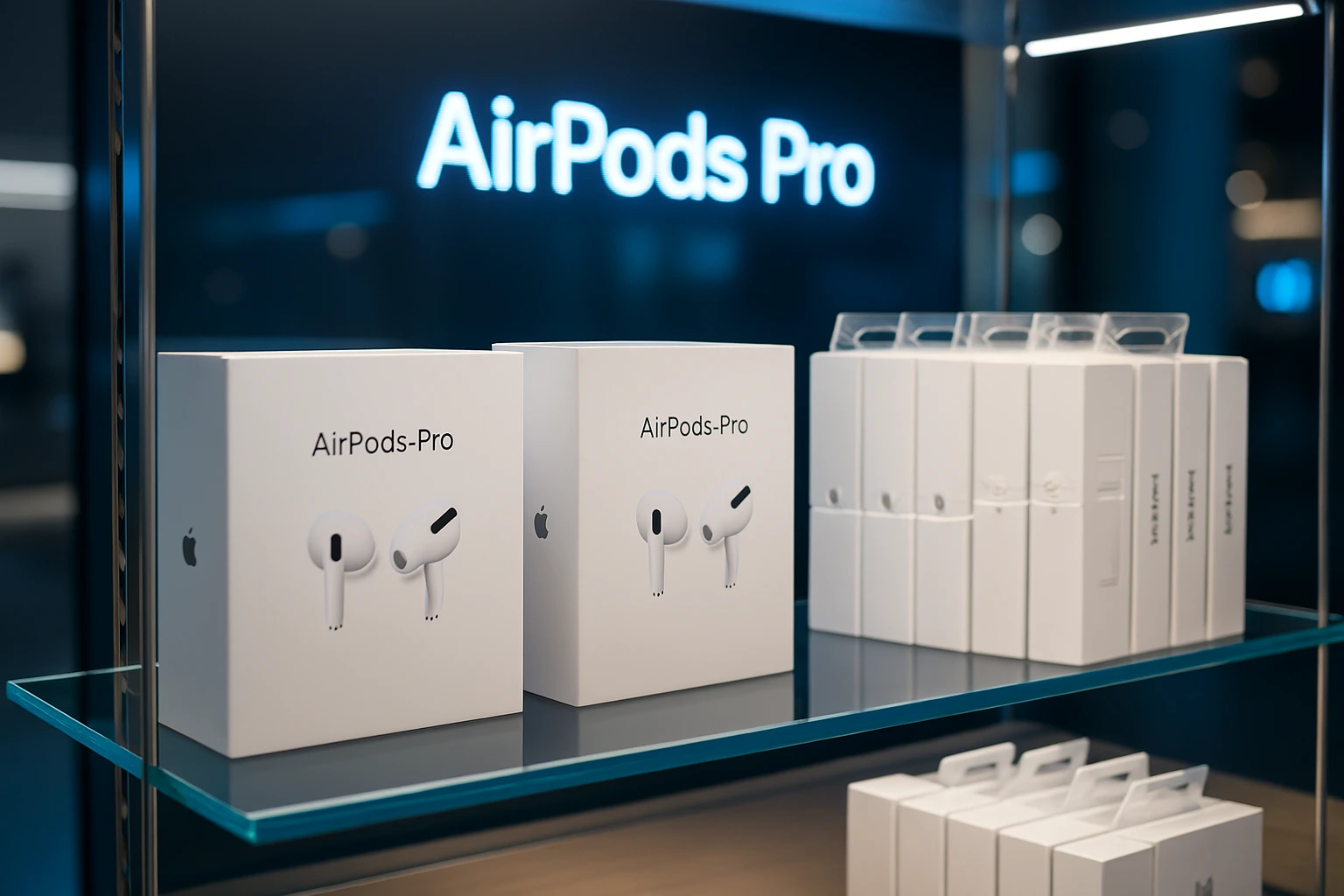
Apple is set to introduce the AirPods Pro 3 for the first time in three years. These new models will feature a much-anticipated heart rate monitor, following a similar feature in the Powerbeats launched earlier this year.
The charging cases will also be smaller and include a new pairing mechanism. Perhaps the most exciting new feature is a major software upgrade that will allow AirPods to live translate conversations, building on the translation features in iOS 26.
Coming Soon: More Innovation
Apple’s product pipeline is packed. We can expect to see an updated AirTag 2 with improved accuracy and range, a new iPad Pro with the M5 chip and a second front-facing camera for improved video conferencing, and a refreshed Vision Pro headset with a new processor.
Apple is also planning to update its smart home accessories, with a new Apple TV and a refreshed HomePod mini, both designed to support the new Apple Intelligence features and a revamped Siri.
Apple’s September event is more than just a showcase of new gadgets. It’s a powerful declaration that even as the tech landscape shifts toward AI-first software, the company believes its future is firmly rooted in hardware excellence.
By introducing a radical new iPhone design and updating its most popular accessories, Apple is making a clear statement: its ecosystem, not just its software, is what will keep it ahead of the competition.
What are you most excited to see at the event? Let us know in the comments below.