


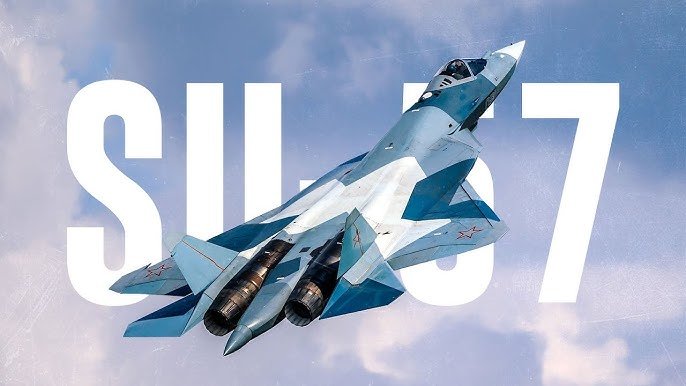
The Ultimate Guardians: Why These Fighter Jets Rule the Sky
In 2026, air superiority isn’t just about who flies the fastest; it’s about who sees the enemy first and strikes without being detected. Modern warfare has evolved into a high-stakes game of “digital hide-and-seek.” The aircraft on this list are the pinnacle of human engineering, designed to dominate the stratosphere and ensure national security.
To understand why these jets are the best, you don’t need a PhD in aerospace engineering. Think of them as flying supercomputers wrapped in invisible armor. They use “stealth” to hide from radar, “sensor fusion” to gather data like a high-tech detective, and “networked operations” to talk to satellites and ships instantly.
The Top 5 Fighter Jets of 2026: Ranking & Fleet Size
Below is the definitive ranking of the world’s most formidable birds of prey. These numbers represent estimated active and ordered units as of early 2026.
| Rank | Fighter Jet | Country | Estimated Quantity (2026) | Primary Strength |
| 1 | Lockheed Martin F-35 | USA & Allies | 1,300+ | Unmatched Intelligence & Stealth |
| 2 | Lockheed Martin F-22 | USA | 183 | Absolute Air-to-Air Dominance |
| 3 | Chengdu J-20 | China | 350 – 400 | Massive Range & Rapid Production |
| 4 | Sukhoi Su-57 | Russia | 40+ | Extreme Agility & Dogfighting |
| 5 | Dassault Rafale F4 | France | 230+ | Versatile “Omnirole” Performance |
Read Interesting –Exciting Psyche Spacecraft Images Earth and Moon
1. Lockheed Martin F-35 Lightning II (USA): The Global MVP
The F-35 Lightning II is the undisputed heavyweight champion because it is more than a jet—it’s a command center.
Why it’s a winner: It uses “Sensor Fusion,” which means the pilot doesn’t have to look at ten different screens. The jet combines all the data into one simple view.
Lehman Terms: It’s like having a smartphone that automatically hacks into everyone else’s phone in the room to tell you exactly where they are.
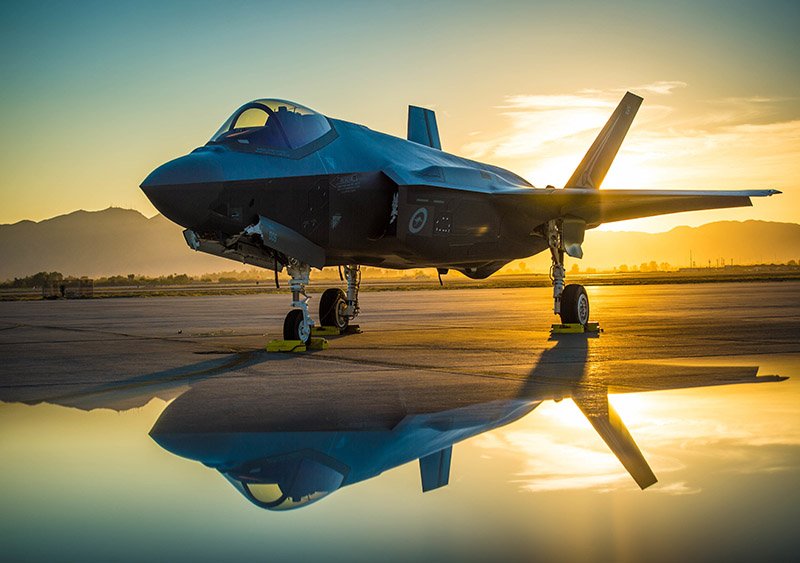
2. Lockheed Martin F-22 Raptor (USA): The Invisible Ghost
The F-22 Raptor remains the most feared dogfighter in existence. Even though it’s older than the F-35, its raw speed and ability to “supercruise” (fly supersonic without using extra fuel) make it a nightmare for enemies.
Why it’s a winner: It is nearly impossible to see on radar and can turn on a dime at high speeds.
Lehman Terms: If the F-35 is a high-tech detective, the F-22 is a silent ninja with a sniper rifle.
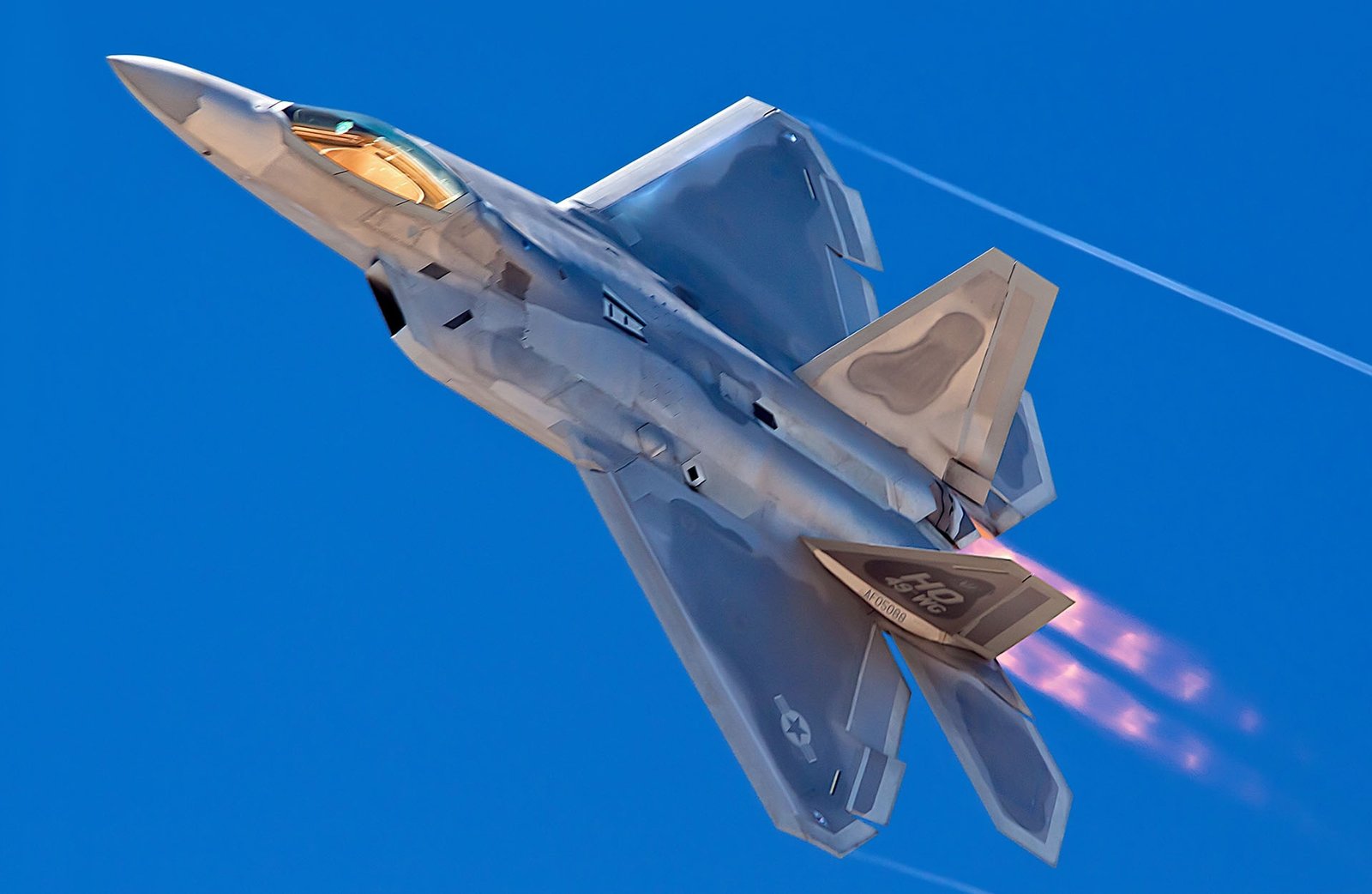
3. Chengdu J-20 Mighty Dragon (China): The Rising Titan
China’s J-20 has seen a staggering production surge. By 2026, it will have become the backbone of Chinese air power. It is large, carries a lot of fuel, and is designed to strike from long distances.
Why it’s a winner: Its massive size allows it to carry long-range missiles that can hit targets before the enemy even knows the J-20 is there.
Lehman Terms: It’s a long-distance sprinter that carries a very big stick.
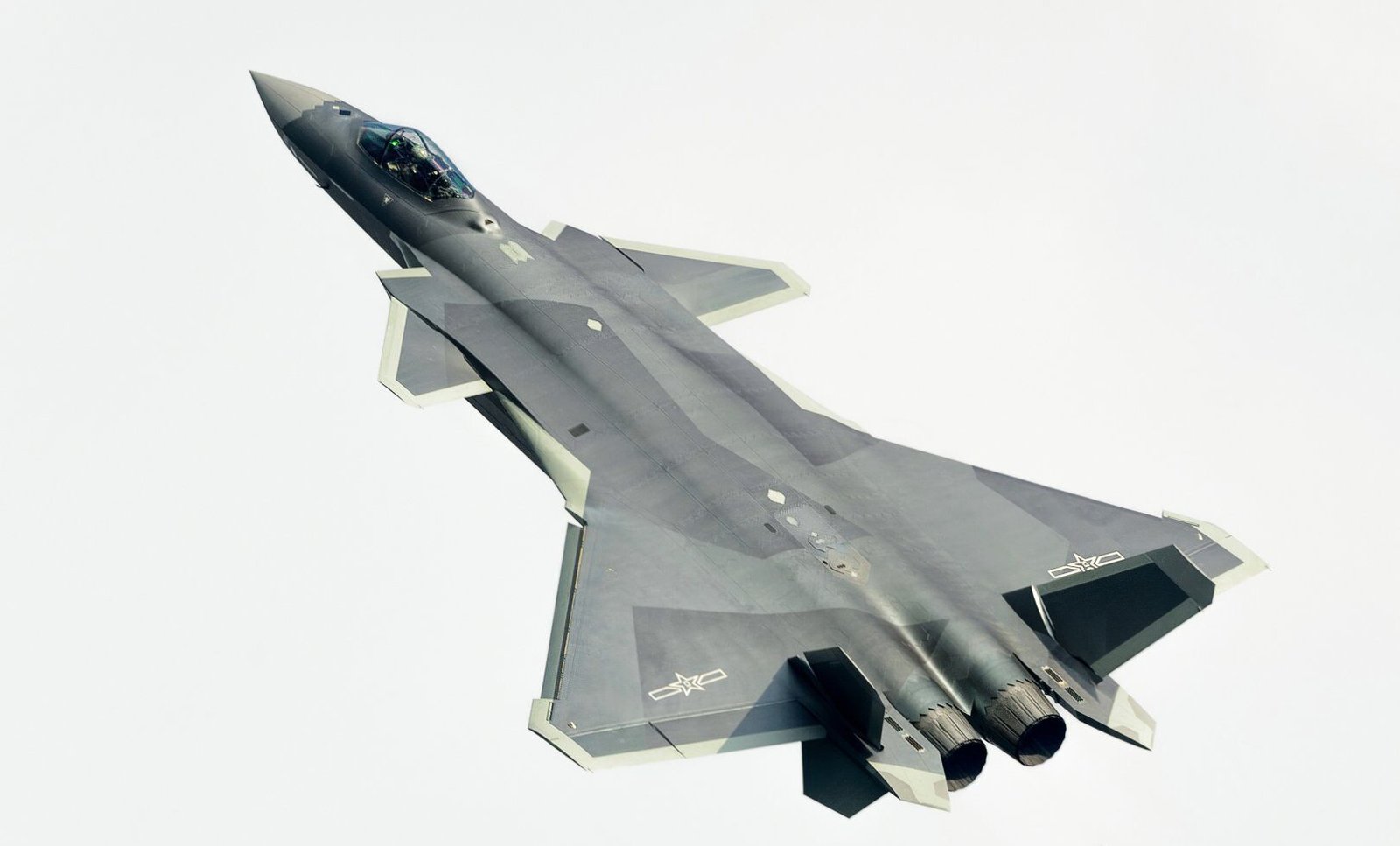
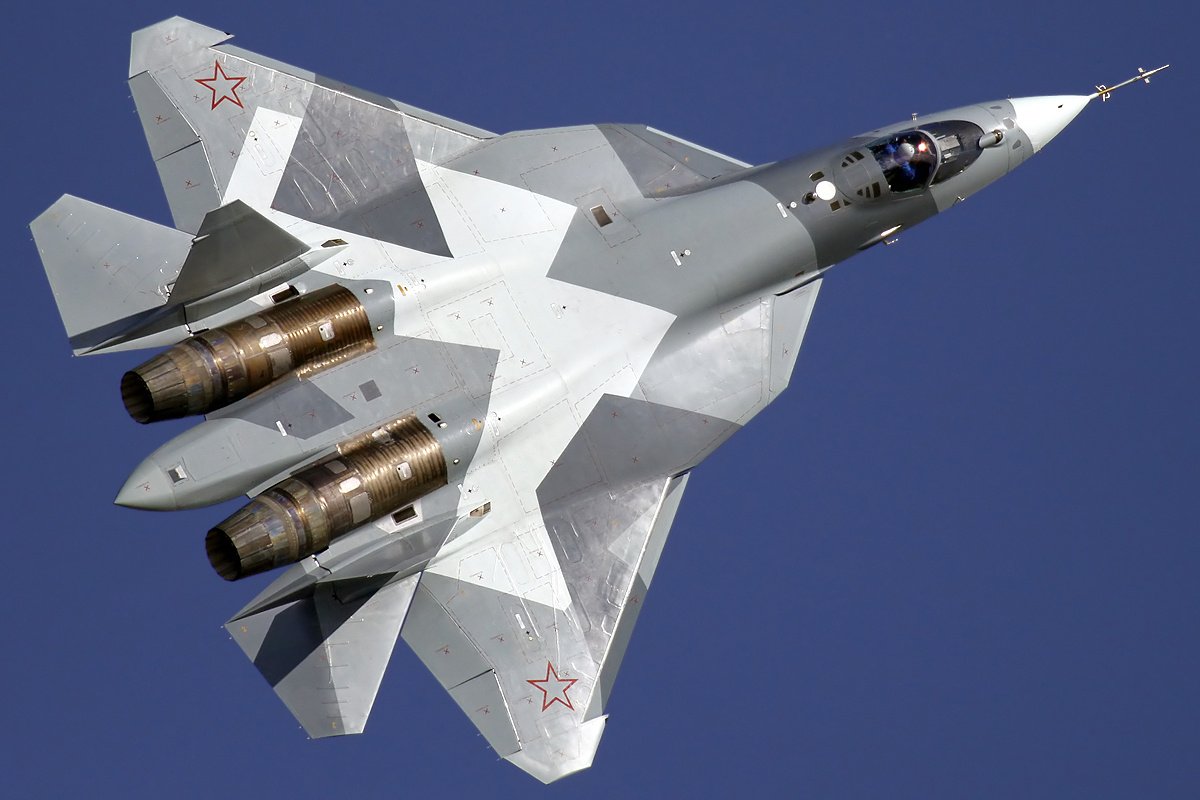
4. Sukhoi Su-57 Felon (Russia): The Aerobatic Master
The Su-57 is Russia’s answer to stealth. While it might not be as “invisible” as the F-22, it is incredibly agile. It uses “3D thrust vectoring,” allowing the engines to point in different directions to make impossible turns.
Why it’s a winner: In a close-range scrap, the Su-57 can out-maneuver almost anything.
Lehman Terms: Imagine a gymnast with jet engines—it can flip and spin in ways other planes can’t.
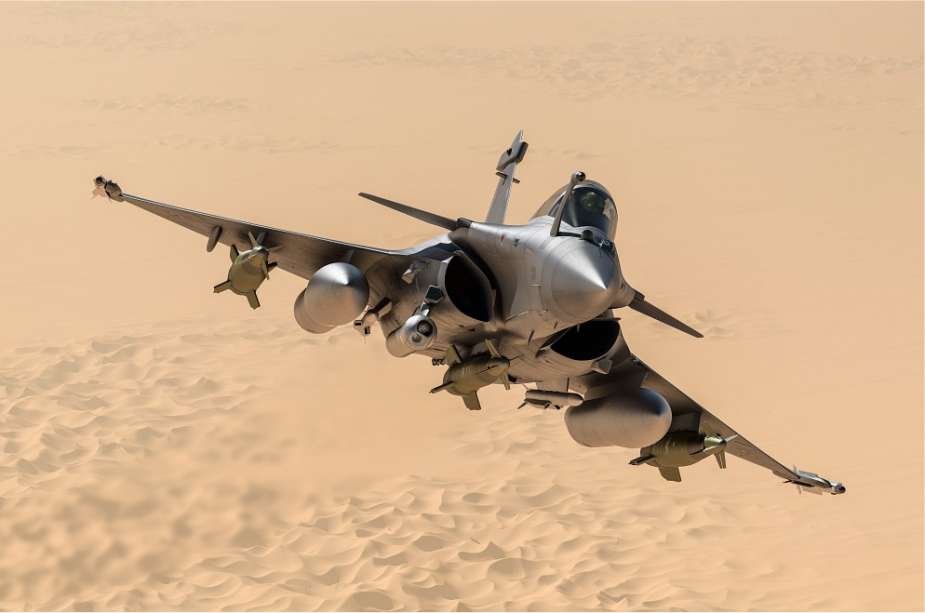
5. Dassault Rafale F4 (France): The Swiss Army Knife
The Rafale F4 isn’t fully “stealth,” but it is arguably the most versatile plane on this list. The F4 update brings incredible electronic warfare tools that “jam” enemy radars.
Why it’s a winner: It can do everything—reconnaissance, ground strikes, and air combat—often in the same mission.
Lehman Terms: It’s the ultimate multi-tool. It might not be the “stealthiest,” but it has a gadget for every problem.
Expanding on our exploration of 2026’s aerial titans, let’s look at how these machines stack up when we move past the “invisible” tech and look at raw muscle: Speed and Payload.
In the modern era, there is often a trade-off. To be stealthy, a jet must hide its weapons inside its “belly” (internal bays), which limits how much it can carry. If it carries bombs on its wings, it lights up on enemy radar like a Christmas tree.
The “Need for Speed” & Heavy Lifters: 2026 Rankings
While the top 5 listed previously are the most “advanced,” they aren’t necessarily the fastest. Some older designs (like the F-15EX) are essentially “flying trucks” designed to carry massive amounts of firepower once the stealth jets have cleared the path.
🚀 Speed Ranking (Mach Numbers)
F-15EX Eagle II (USA): Mach 2.5 (The undisputed speed king of active fighters).
Su-57 Felon (Russia): Mach 2.45 (Uses raw power to outrun missiles).
F-22 Raptor (USA): Mach 2.25 (The gold standard for “Supercruise”).
J-20 Mighty Dragon (China): Mach 2.0+ (Fast enough for long-range intercepts).
Dassault Rafale / F-35: Mach 1.6 – 1.8 (Focuses on smarts over speed).
💣 Payload Capacity (The Heavy Lifters)
F-15EX Eagle II: 29,500 lbs (Can carry up to 22 air-to-air missiles).
F-35 Lightning II: 22,000 lbs (In “Beast Mode” with external racks).
Dassault Rafale F4: 20,900 lbs (Incredible for its relatively small size).
J-20 Mighty Dragon: ~18,000 lbs (Mostly internal for stealth, huge external potential).
F-22 Raptor: ~12,000 lbs (Strictly optimized for air-to-air combat).
Global Adoption: Who is Buying What in 2026?
The map of air power is shifting as nations choose between “Western Stealth” or “Versatile Power.”
🇮🇳 India: The Multi-Pronged Strategy
In 2026, India is finalizing a massive deal for 114 Dassault Rafale F4 jets. This is part of their “MRFA” program to replace aging fleets.
Current Status: India already operates 36 Rafales and is adding 26 more for its Navy.
The “Homegrown” Hero: India is also heavily investing in the LCA Tejas Mk2 and developing its own 5th-gen fighter, the AMCA.
🇯🇵 Japan: The Stealth Frontier
Japan has become one of the largest operators of the F-35 outside the US. By 2026, Japan will station permanent F-35 squadrons at Misawa Air Base to ensure regional stability.
The Future: Japan is co-developing the GCAP (Global Combat Air Programme) with the UK and Italy to build a 6th-generation fighter to succeed the F-35 in the 2030s.
Stealth vs. Speed: The Ultimate Comparison
| Feature | F-35 Lightning II | F-22 Raptor | J-20 Dragon | Su-57 Felon | Rafale F4 |
| Stealth Level | Ultra-High | Ultra-High | High | Medium | Low (Reduced RCS) |
| Top Speed | Mach 1.6 | Mach 2.25 | Mach 2.0+ | Mach 2.45 | Mach 1.8 |
| The Trade-off | Sacrifices speed for “Invisible” sensors. | Perfect balance of stealth and speed. | Fast, but stealth drops when heavily armed. | Fastest stealth jet, but easiest to see on radar. | No stealth, but carries the most “gadgets.” |
The Bottom Line: If you want to sneak in and hack the enemy, take the F-35. If you want to get in a high-speed drag race and win a dogfight, the F-22 or Su-57 is your best bet.
This video provides a deep dive into how the first permanent F-35 squadrons are changing the game in the Pacific, explaining the real-world impact of stealth technology.
Final Thoughts: The Future of the Skies
As we move through 2026, the gap between “good” and “elite” is defined by software and connectivity. The F-35 leads because it plays well with others, while the J-20 is catching up through sheer industrial might. Whether it’s the stealth of the Raptor or the versatility of the Rafale, these five machines are the prowling apex predators of our time.
Simple Advice: If you want to sneak in and hack the enemy, take the F-35. If you want to win a high-speed race and a fistfight, take the F-22 or Su-57.