

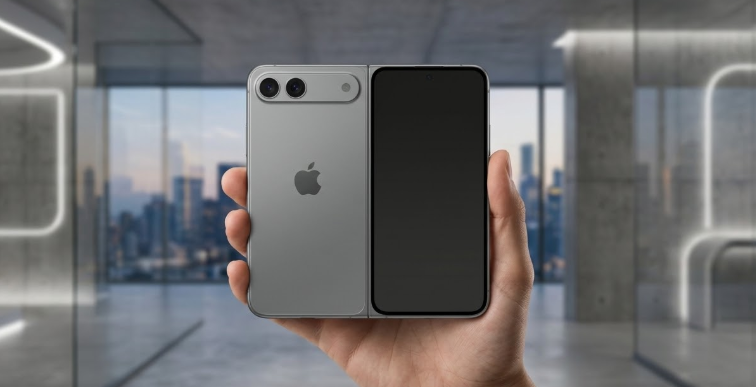
iPhone18 Fold Delayed as Secret “iPhone 18 Plus” Leak Surfaces
The smartphone industry is bracing for what might be the most unconventional product rollout in Apple’s history. For years, the September keynote was a predictable ritual, but 2026 is shattering the mold.
From staggered release windows to the mysterious resurrection of a “discontinued” model, the tech giant is pivoting its strategy to combat a maturing market.
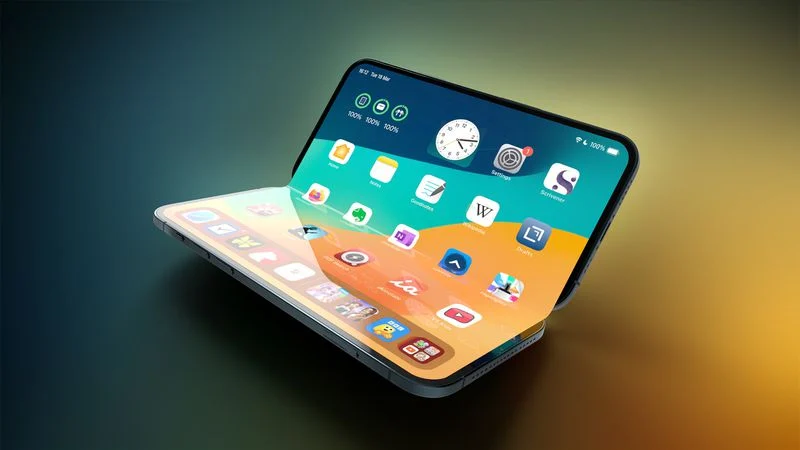
The Staggered Strategy: Why the iPhone Fold is Skipping September
Introducing the Revolutionary iPhone18 Fold
The smartphone industry is bracing for the most unconventional product rollout in Apple’s history. For years, the September keynote was a predictable ritual, but 2026 is shattering the mold. From staggered release windows to the mysterious resurrection of a “discontinued” model, the tech giant is pivoting its strategy to combat a maturing market and navigate high-tech supply chain hurdles.
| The “Fold” Timeline: Most analysts (like Barclays) now expect a September 2026 reveal but a December 2026 or March 2027 shipping date. This “staggered launch” is becoming Apple’s new strategy to manage the complex manufacturing of the foldable screen. |
A Calculated Delay to Reclaim the Premium Crown
While the tech world expected a unified launch, latest analyst reports from Barclays indicate that Apple’s first foldable device—the crown jewel of the iPhone 18 series—is likely to see its actual shipping date shift to December 2026.
This isn’t necessarily a sign of production failure; rather, it’s a “Tactical Tease” designed to maximize holiday impact.
Read Also-Is a 5,700mAh Battery Enough to Justify the iPhone Fold ‘Ultra’s’ $2,299 Price?
By launching the iPhone 18 Pro and Pro Max in September, Apple secures its immediate enterprise and enthusiast revenue. By holding the Fold until December, they create a secondary hype cycle just in time for the peak gift-giving season. This mirrors the legendary 2017 strategy where the iPhone 8 debuted first, followed by the groundbreaking iPhone X two months later.
In a market where Samsung’s Galaxy Z Fold 7 and Google’s Pixel 10 Pro Fold have already established a presence, Apple is betting that a solo December spotlight will emphasize the “ultra-premium” nature of its $2,400 entry.
Re-evaluating the Thin-and-Light Experiment
Perhaps the most shocking rumor surfacing for the Spring 2027 lineup is the potential return of the iPhone 18 Plus. Only a year ago, Apple pivoted away from the “Plus” branding in favor of the ultra-thin iPhone Air. However, early 2026 sales data suggests the Air model—while beautiful—may have struggled to meet the “explosive” sales targets Apple expected.
| The “Plus” Mystery: The appearance of an iPhone 18 Plus in the leaks is a major twist. Apple had previously pivoted toward the “iPhone Air” (the ultra-thin model), so a return to the “Plus” branding suggests they may be keeping a larger, non-Pro model for users who want screen size without the $2,000+ Fold price tag |
If the “Plus” name makes a comeback alongside the iPhone 18 and the budget-friendly 18e next March, it serves as evidence that consumers still prioritize battery longevity and screen real estate over sheer thinness. Conversely, if Apple continues with an iPhone Air 2, it would show a determination to carefully cultivate a new design-focused category. This spring window is increasingly critical as the standard models will now have to carry the brand’s momentum for a full six months after the Pro launch.
Sustaining Momentum in a Mature Market
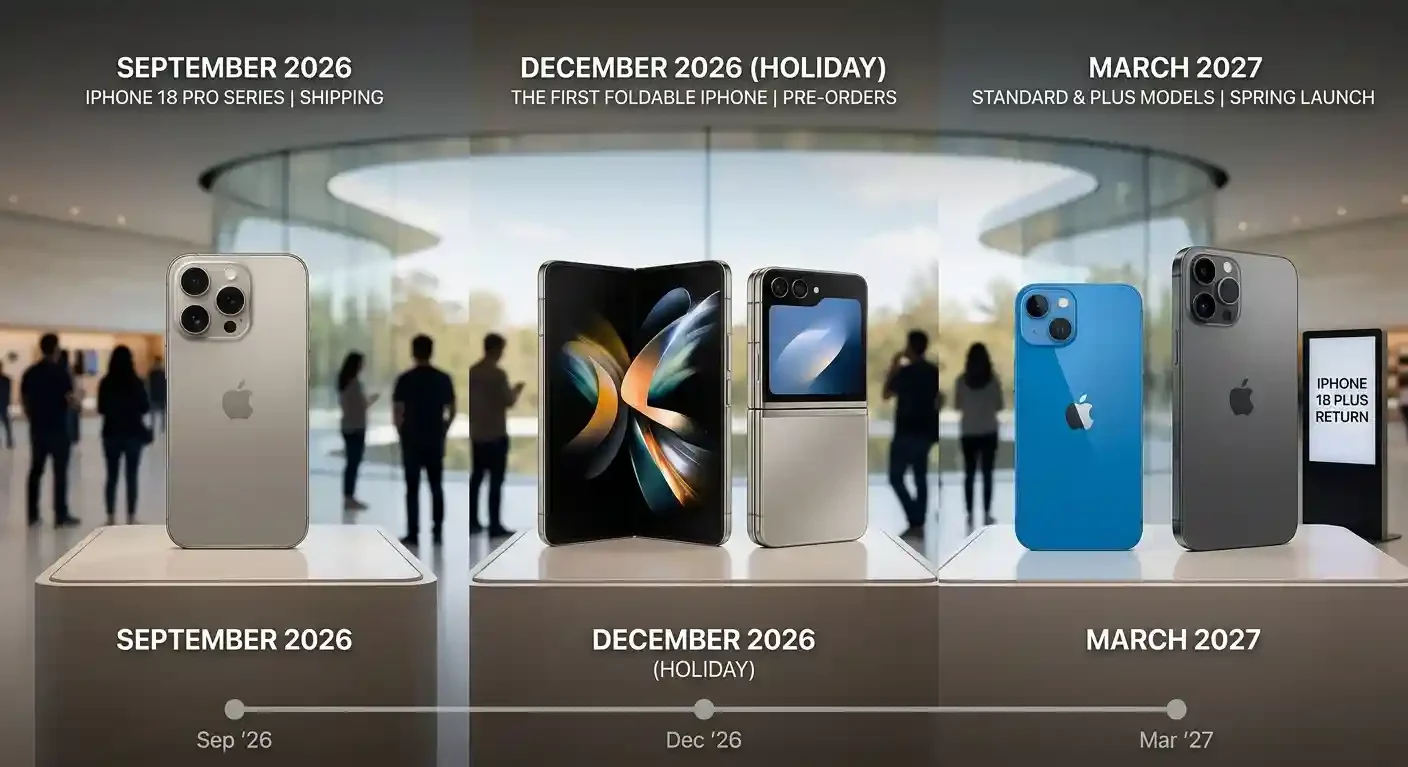
Apple’s new roadmap is divided into three distinct waves to ensure the brand stays in the headlines for seven consecutive months:
September 2026: The Pro-tier powerhouse models (Pro and Pro Max).
December 2026: The Foldable future (The “iPhone Fold”).
March 2027: The high-volume standard models (18, 18e, and the mystery Plus/Air).
This “phased release” is a meticulously calculated move to combat lengthening replacement cycles.
By spreading out the launches, Apple reduces manufacturing bottlenecks associated with the new 2nm A20 chips and ensures a steady stream of revenue throughout the fiscal year, rather than a single massive peak followed by a “spring slump.”