


Why 43″, 55″, and 65″ are the Only Sizes You Should Buy in 2026- Budget Smart TV Guide
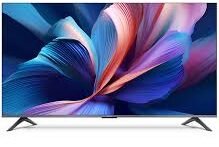
The home entertainment landscape has shifted. While tech enthusiasts may chase massive 85-inch screens, the average consumer seeking value and performance should focus on 43, 55, and 65-inch models.
In 2026, these sizes represent the highest production volume for brands like Samsung, LG, and Xiaomi, ensuring you receive the most features for every dollar spent.
The Science of Viewing Distance
Modern Smart TVs feature high-resolution panels allowing closer seating without visible pixels, yet eye strain remains a factor.
These three specific size tiers align perfectly with modern architecture, from compact city apartments to spacious suburban drawing rooms.
The Drawing Room Giant: Why 65″ and 55″ Reign Supreme
The drawing room is the heart of the home—a multi-purpose space for movies, gaming, and guests. In 2026, these sizes provide a commanding presence without overwhelming your decor.
65-Inch: The Cinematic Masterpiece
Ideal Distance: Perfect for viewing distances of 5.5 to 8 feet.
Performance: Budget 65-inch models now feature significantly improved backlight dimming and HDR.
Experience: This size fills your field of vision for a “theatre-at-home” feel and supports group viewing from multiple angles.
55-Inch: The Versatile All-Rounder
Industry Standard: This is the go-to size for mid-sized living areas with the best price-to-performance ratio.
Premium Features: Even budget 55-inch lineups often include 120Hz refresh rates and enhanced AI upscaling.
Fit: It fits standard TV units perfectly while offering a major upgrade over older 40-inch models.
The Bedroom Sanctuary: The Case for the 43″ and 55″
Bedroom viewing is often determined by bed length; the screen must be large enough for text clarity yet small enough to prevent neck fatigue.
43-Inch: The Practical Choice
Space Saver: This is the “king of the bedroom,” large enough for 4K but compact enough for wall-mounting without obstructing walkways.
Aesthetics: In 2026, these units are incredibly slim, often looking like framed art when not in use.
55-Inch: The Luxury Bedroom Upgrade
Private Cinema: Ideal for large master bedrooms or seating nooks further from the screen.
Consideration: Ensure your wall can support the weight and that brightness levels don’t disrupt your sleep hygiene.
Pro Tip: In 2026, prioritize “Eye Comfort” certifications and “Ambient Light Sensors,” which are now common in budget models and essential for changing bedroom lighting.
Features to Look for in the Budget Smart TV Guide 2026
AI-Driven Upscaling: Necessary for making older content look crisp on 4K screens.
Voice Integrated OS: Hands-free control via Google TV or proprietary systems is a must.
Gaming Modes: Look for Auto Low Latency Mode (ALLM) even on budget tiers.
Connectivity: Ensure at least three HDMI 2.1 ports for future-proofing.
For 2026, the Indian market offers a clear divide between high-value disruptors and established premium brands.
Below are the recommended brands and specific models for the 43″, 55″, and 65″ segments based on current market availability and performance
Don’t miss-Exciting Innovations in 2026 TV TECH Await You!
This table focuses on the core strengths that differentiate these brands across the 43″, 55″, and 65″ segments.
Brand Comparison Table: India 2026
| Feature | LG | Samsung | Sony | Xiaomi |
| Panel Tech | NanoCell, QNED, WOLED
| Crystal 4K, QLED, QD-OLED
| LED, XR Triluminos, OLED
| LED, QLED
|
| Best For | Software Longevity & Gaming
| Brightness & Vibrant Colors
| Natural Motion & Color Accuracy
| Extreme Value & Features for Price
|
| Operating System | webOS (Smooth, 5-year updates)
| Tizen (Fast, SmartThings Hub)
| Google TV (App-rich, intuitive)
| Google TV + Patchwall (Content-first)
|
| Remote Tech | Magic Remote (Air-mouse pointer)
| SolarCell Remote (No batteries needed)
| Standard Voice Remote (Robust build)
| Minimalist Bluetooth Remote
|
| Audio Setup | AI Sound Pro (Virtual 9.1.2)
| Object Tracking Sound (OTS) Advertisement. Scroll to continue reading.
| Acoustic Surface (Screen is speaker)
| High-Wattage Dolby Audio ADVERTISEMENT
|
Why LG is Worthy (The “Expert’s Choice”)
While brands like Xiaomi win on price and Samsung on sheer brightness, LG is often the “Pro’s Choice” for users who want a TV that stays fast and relevant for years.
Read Also: The Ultimate 2026 TV Battle: LG G6 OLED vs Samsung S95H
1. webOS “Re: New” Program
The biggest pain point with smart TVs is that they become slow after 2–3 years. LG’s 2026 commitment ensures your TV receives the latest OS updates for 5 years.
This means your 2026 model will still feel like a “new” TV in 2030, with updated apps and security.
2. Superior Gaming Integration
LG remains the benchmark for gaming. While others offer gaming modes, LG provides a dedicated Game Optimizer menu that lets you toggle VRR (Variable Refresh Rate) and Black Stabilizer settings in real-time.
Their OLEDs are consistently rated as having the lowest input lag in the industry.
3. The Magic Remote Advantage
In a world of meta-descriptions and typing search queries, LG’s Magic Remote is a mechanical blessing. Using it like a computer mouse to “point and click” on the screen is significantly faster than clicking a D-pad 20 times to reach a specific movie.
4. α (Alpha) AI Processing
LG’s internal processors, such as the α5 and α9 Gen7, are engineered to handle “noisy” signals common in Indian cable and satellite TV.
They use deep learning to sharpen faces and textures without making the image look “plastic” or artificial.
Check this now –5 Key Differences: QNED vs QLED TVs You Must Know
Final Verdict for 2026
Go for LG if: You value a smooth software experience, play high-end games, and want a remote that makes navigation effortless.
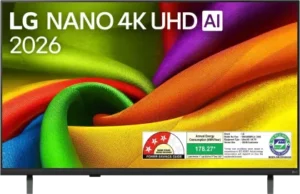
Go for Samsung if: You have a very brightly lit room (lots of windows) and want punchy, saturated colors.
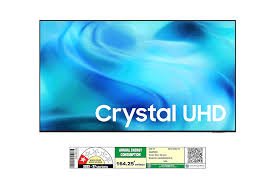
Go for Sony if: You are a cinephile who wants the picture to look exactly how the director intended.
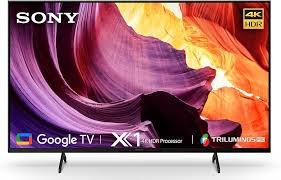
- Go for Xiaomi if: You want a massive 65-inch screen and smart features at the lowest possible price point.
FAQ – Your Buying Questions Answered
Q: Is 43 inches too small for a living room? A: Generally, yes. In 2026, 43 inches is considered an “auxiliary” size for bedrooms or kitchens; 55 inches is the recommended minimum for a primary drawing room.
Q: Why shouldn’t I buy a 50-inch TV? A: 50-inch panels are “in-between” sizes that lack the manufacturing scale of 43, 55, or 65-inch models, often leading to higher prices or lower-quality panels.
Q: Does a 65-inch TV consume more power? A: While they use more energy than smaller screens, 2026 LED and OLED tech is highly efficient; the cost difference is negligible.
Summary
Choosing a TV in 2026 requires balancing space and technology. By sticking to 43″, 55″, and 65″ categories, you ensure you are purchasing the most competitive and well-supported sizes on the market.