


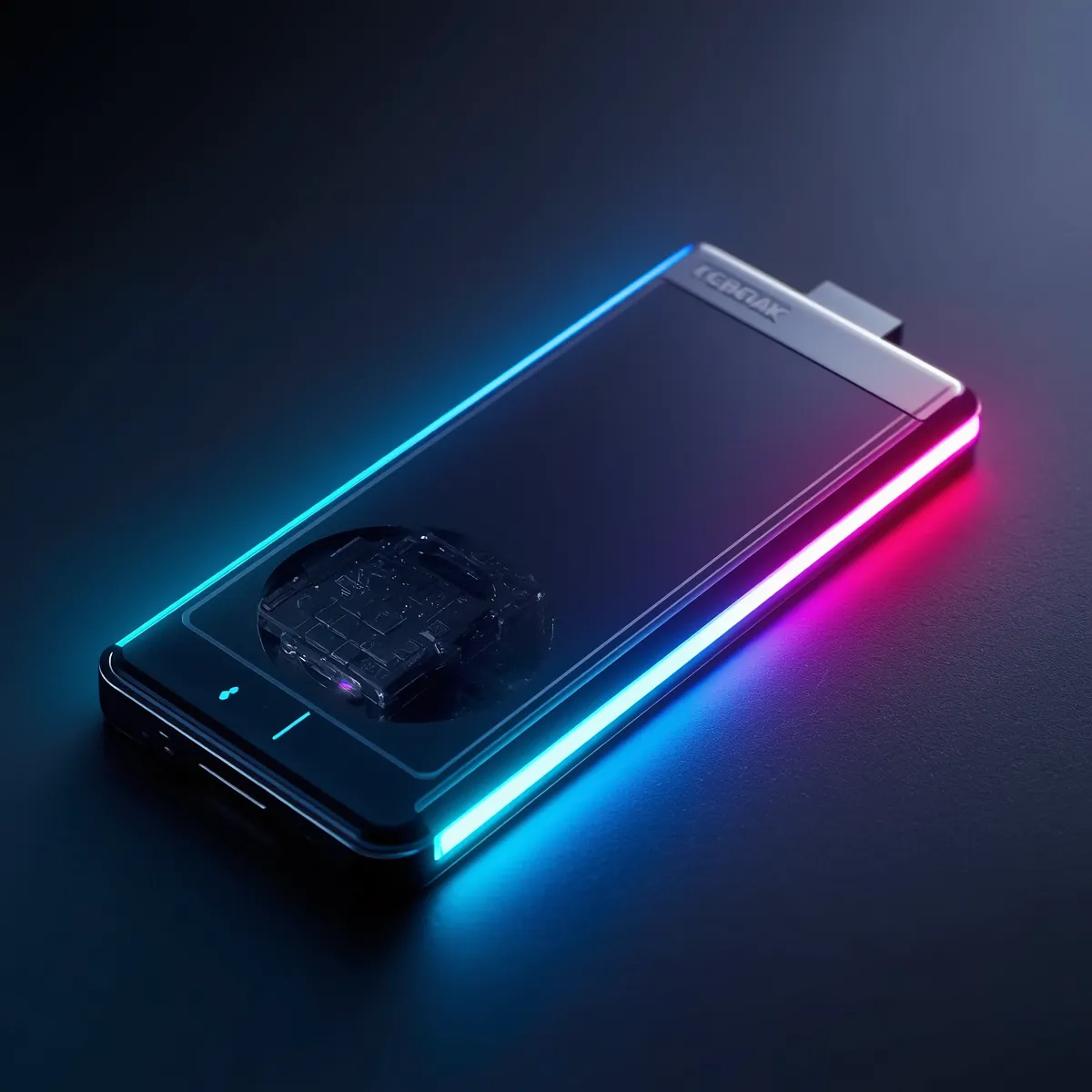
10000mAh Battery Who Actually Needs a Phone in 2026?
For years, smartphone manufacturers were obsessed with making phones so thin they practically felt like a credit card in your pocket.
We sacrificed battery life for aesthetics, settling for “incremental” updates that barely got us through a workday. But as we navigate 2026, the era of the “Battery Diet” is officially over.
The industry has hit a pivotal turning point. With some brands now smashing through the 10,000mAh barrier, we aren’t just talking about a phone anymore—we’re talking about a portable power plant.
Read also-iQOO 13 Review: The Unstoppable Performance Titan Hits India
1. The Insatiable Hunger-10000mAh Battery: Why 2026 Tech is Starving for Power
Why did we suddenly decide 5,000mAh was no longer enough? It’s because our usage habits have undergone a revolutionary shift. In 2026, your phone is doing the work that a desktop PC used to handle.
The “AI Tax” on Your Battery
The biggest culprit is On-Device AI. Unlike the cloud-based AI of the past, today’s phones process massive Large Language Models (LLMs) locally to protect your privacy and speed up tasks. This keeps the NPU (Neural Processing Unit) in a state of relentless activity, draining juice faster than a standard flagship can replenish it.
Desktop-Grade Gaming & 2K Displays-10000mAh Battery

Mobile gaming has evolved into a formidable beast. Titles like Zenless Zone Zero and Genshin Impact now run with ray-tracing and 144Hz refresh rates. When you combine that with a 2K resolution screen, a standard battery will shatter under the pressure in just a few hours.
2. Silicon-Carbon: The Secret Behind the “10000mAh Battery.”
You might be thinking, “A 10,000mAh battery must look like a literal brick.” In the past, you’d be right. But 2026 has brought us Next-Gen Silicon-Carbon (Si-C) Anode technology.
This cutting-edge chemistry allows for monstrous energy density.
We can now fit 10,000mAh of capacity into a frame that is only slightly thicker than the “thin” phones of 2023. It is a game-changing engineering feat that offers unstoppable endurance without the back-breaking weight.

3. The Power User Profile: Who Actually Needs This Much Juice?
While a casual scroller might find 10,000mAh excessive, there are three groups for whom this capacity is critical:
The Content Architect: Creators shooting 8K video at high bitrates. For them, a 10,000mAh phone means they can leave the bulky external power banks at home and film a full day’s vlog on a single charge.
The Hardcore Competitor: For professional mobile gamers, battery anxiety is the ultimate enemy. This capacity allows for marathon sessions without being tethered to a wall.
The Digital Nomad: If you’re working from a remote beach or a mountain cabin where electricity is a luxury, a 10,000mAh phone is your lifeline. It offers true 3-to-4-day battery life, making it a high-stakes essential for survival and productivity.
CONCLUSION: A New Standard of Freedom
The 10,000mAh smartphone isn’t just about a bigger number; it’s about liberation. It’s the end of “Low Battery” panic at 4:00 PM and the beginning of a world where we control our devices, rather than our devices controlling our schedule.
As AI and high-performance gaming become the norm, these colossal batteries are moving from a “luxury” to a foundational necessity.
FAQ: Addressing the Skeptics
Q1: Won’t a 10,000mAh phone take forever to charge? Not in 2026. Thanks to explosive advancements in charging tech, 120W and 150W fast-chargers can top up these behemoths in under an hour.
Q2: Are these phones too heavy for daily use? While they have a substantial feel, the new Silicon-Carbon batteries are surprisingly lightweight. Most weigh no more than a rugged case-protected iPhone from a few years ago.
Q3: Is it safe to have that much capacity in my pocket? Absolutely. Manufacturers have implemented sophisticated multi-layer cooling and solid-state safety buffers to ensure these high-capacity cells remain stable under pressure.
Q4: Can I take this phone on a plane? Yes! Even at 10,000mAh, the Watt-hour (Wh) rating is roughly 38Wh, which is well below the 100Wh limit set by international aviation authorities.